
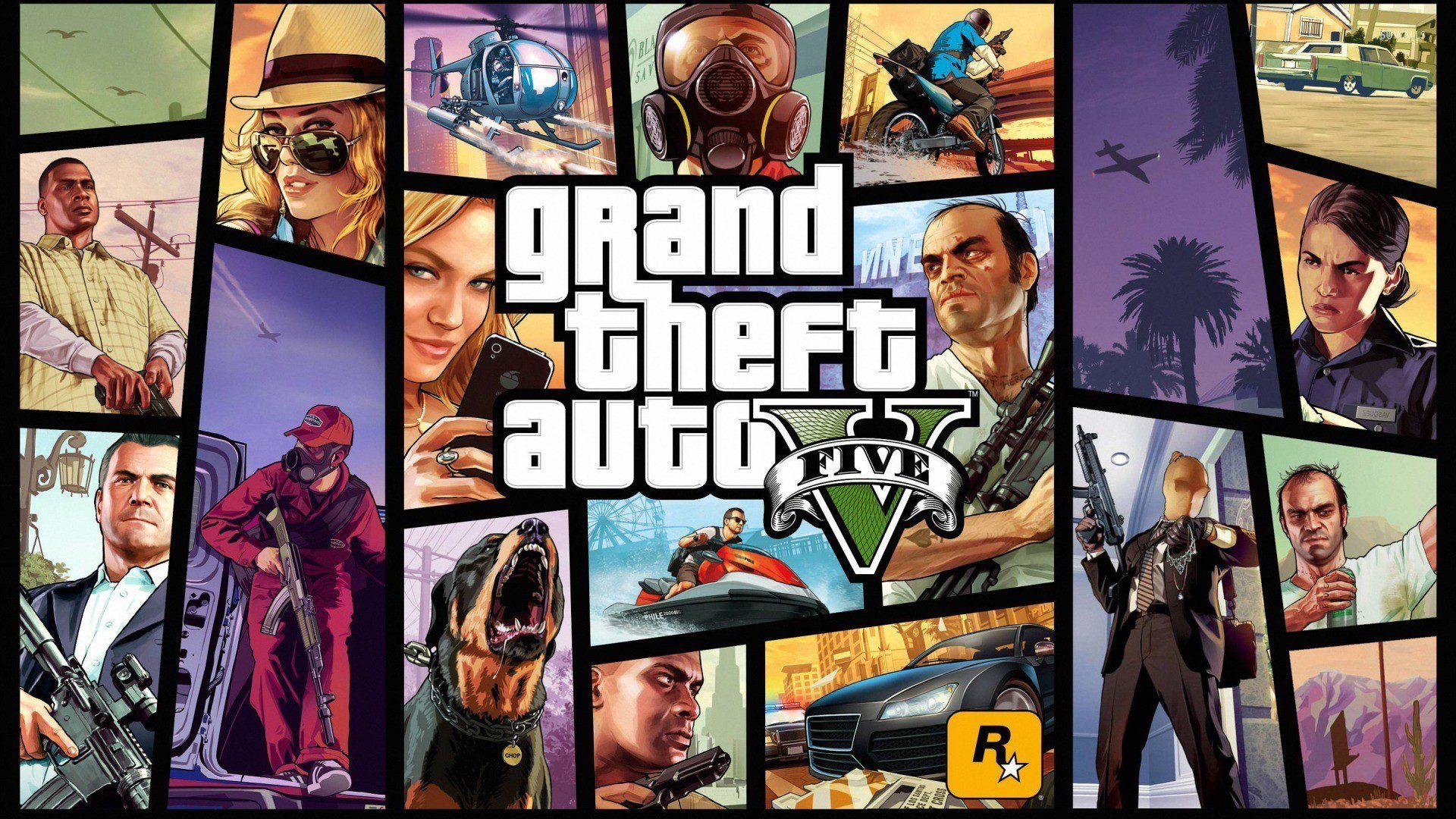
The Grand Theft Auto (GTA) franchise reigns supreme as one of the most profitable entertainment juggernauts ever, with over 460 million units sold across its iconic titles—powered by Rockstar Games’ unyielding innovation and cultural dominance.
Kicking off in 1997 with a top-down 2D rampage by DMA Design (later Rockstar North), GTA exploded into 3D glory with Grand Theft Auto III in 2001. Players dive into sprawling, satirical open worlds mimicking U.S. cities—Liberty City (NYC vibes), Vice City (’80s Miami neon), and Los Santos (LA glamour gone wild)—pulling off heists, chases, and chaos in a sandbox of nonlinear freedom.
Core gameplay? Vehicular mayhem, mission-driven stories critiquing consumerism and power, emergent antics, and total player agency. GTA V (2013) crushes all records: 220+ million copies sold, a jaw-dropping $815.7 million in first 24 hours, and endless revenue from its massive GTA Online multiplayer world—still innovating with procedural generation and living cities that shaped the genre.
No stranger to headlines, GTA’s bold takes on violence, vice, and satire ignited global debates—from “Hot Coffee” scandals and lawsuits to bans in Australia, Brazil, and beyond. Yet studies confirm: zero link to real-world aggression. It’s raw, unfiltered art that’s fueled endless convos on freedom in gaming.
With GTA VI locked for 2026 amid sky-high hype, the saga’s legacy of rebellion and replayability endures. Switch on the radio, steal a ride, and live the dream (or nightmare).